Nicotine also affects the systems that release other neurochemicals like noradrenaline and serotonin, leading to different experiences in mood, reward, and decision-making for teenagers compared to adults 38-40 Alternative tobacco and nicotine products are often designed to appeal to adolescents through lifestyle branding and flavours Adolescent brains are more susceptible to impulsive decision making 40 Younger age groups are more likely to continue usage (obtaining greater pleasure from nicotine use than older age groups) Nicotine has been associated with decreased academic performance and higher drop out rates in youth 41 If your patients do not smoke, they shouldn't use alternative tobacco or nicotine products Nicorette is licensed to help smokers or vapers to quit and can be used in children from the age of 12 Unlike alternative tobacco and nicotine products, NRT: NRTs are licensed medicines: 1-3 Licensed, with a good safety profile and a defined dosing schedule for cessation Clinically indicated to relieve and/or prevent cravings and nicotine withdrawal symptoms associated with tobacco dependence Pharmaceutical grade nicotine in measured doses 29 NRT is designed and acknowledged to help patients become smoke and nicotine free: 1-3 ** Endpoint aim of complete cessation Many clinical guidelines globally recommend NRT as a first-line treatment for smoking cessation 42-44 On the WHO list of essential medicines 43 **Abstinence rates: Combination Therapy (nicotine patch + active gum): 27.5% vs nicotine patch + placebo gum: 15.3% p=0.01, at 24 weeks
Heavy metal doesnt always have to be so serious
Emphasize pertinent sections of your documents or redact sensitive information with tools that airSlate SignNow offers specifically for this task
Delivering a smooth, flavorful hit every time, the 50mg nicotine strength provides a smooth throat hit ideal for new and seasoned vapers
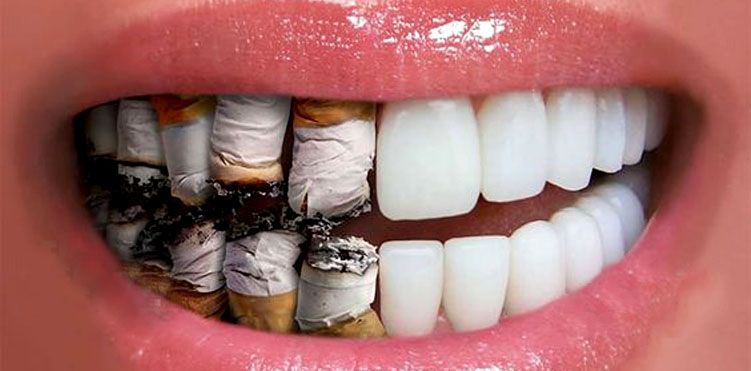
Remember, its never too late to quit smoking and embark on a path to improved well-being.
To curb the harms associated with alcohol use, governments around the world have committed to reducing the consumption of alcohol by 10% by 2025 and 20% by 2030 (in comparison with 2010 levels)