Using tobacco thus becomes a habit tied to specific moments throughout the day a person often does not notice when they shift from occasional to regular use
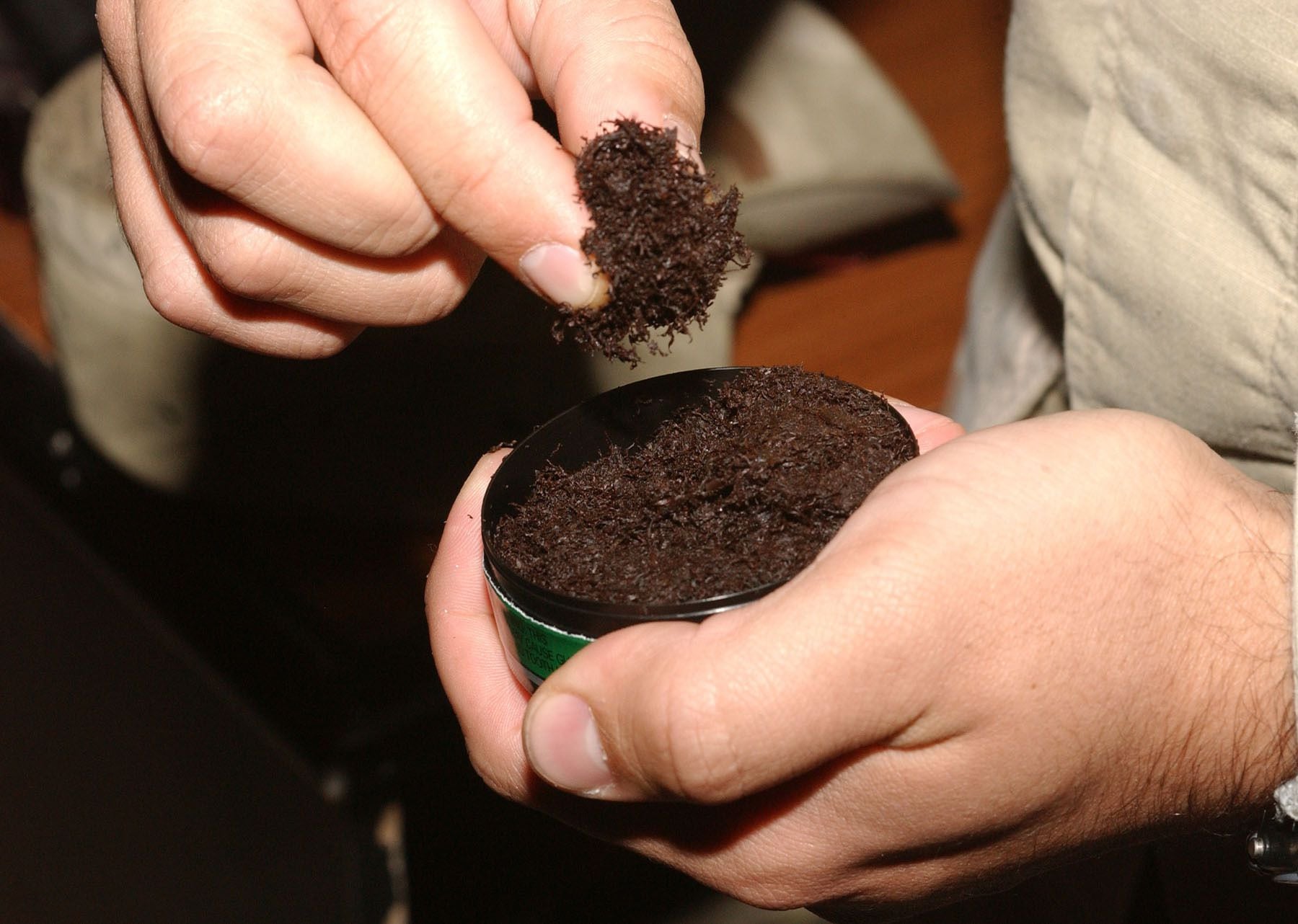
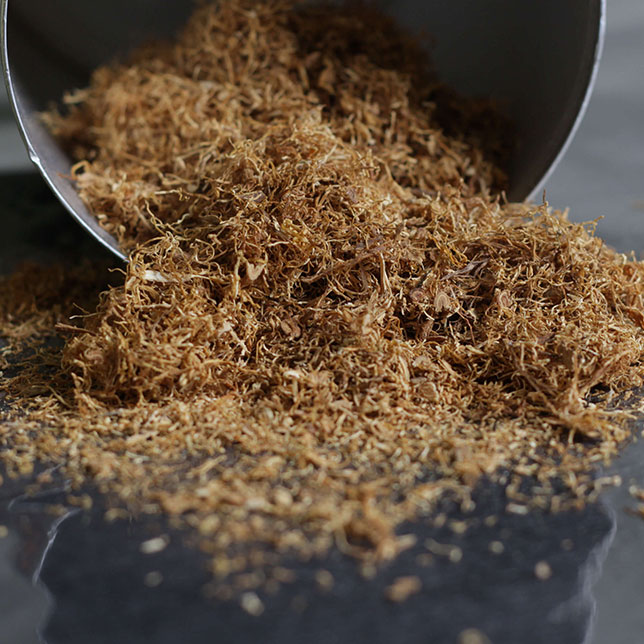
The key differences include: Processing for oral use with food-grade standards Specific pH treatment to facilitate nicotine absorption through mouth tissues Different moisture content and texture Distinct cutting methods for comfort in the mouth Added salts and alkaline agents Smokeless tobacco products include chewing tobacco (loose leaf, plug, twist), dipping tobacco (moist snuff, dry snuff), snus, and dissolvable tobacco products
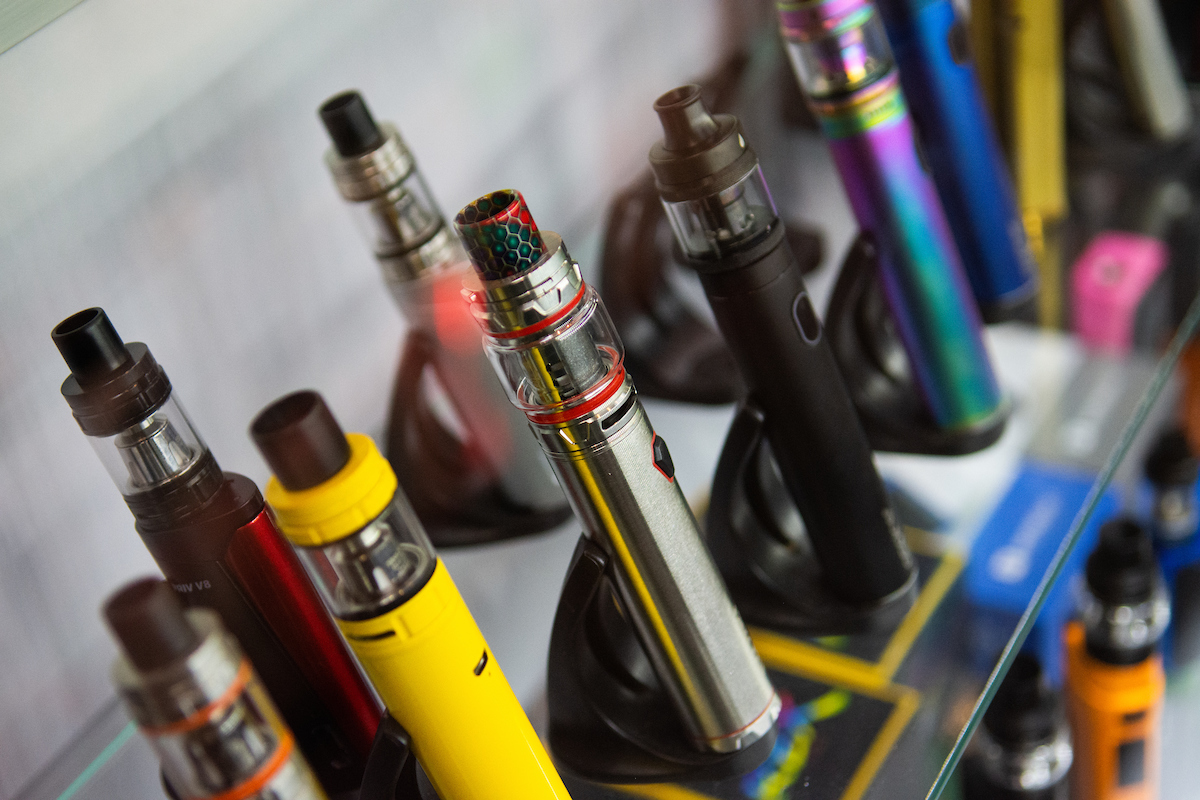
Surveys have shown that new-generation devices are more popular in dedicated EC users and a significant proportion of these users report complete smoking cessation 10,11
The American Cancer Society recommends that people over age 20 have oral cancer screenings every three years and yearly for those over age 40
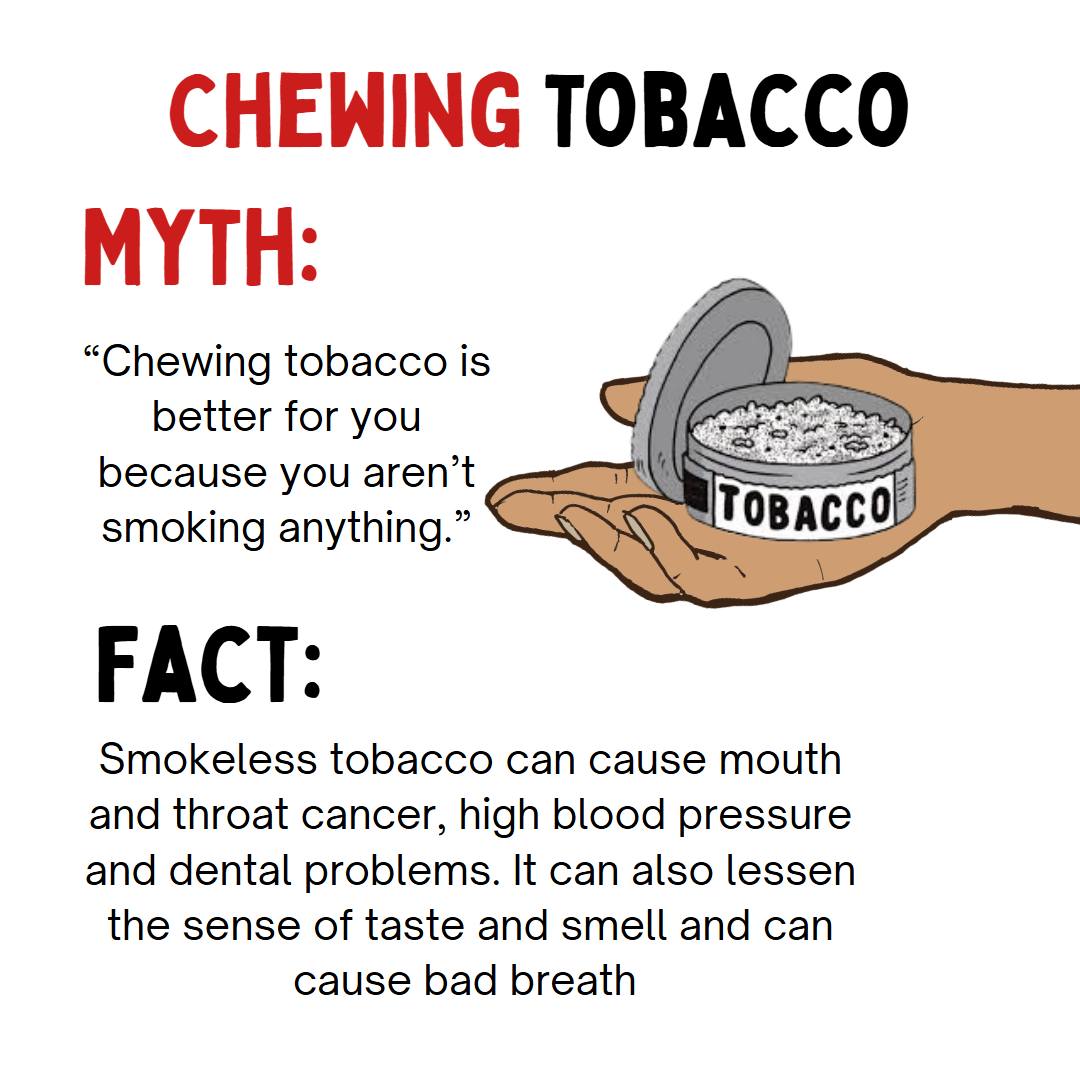
What about chewing tobacco, cigars, and other forms of tobaccodo they cause cancer too
Cancer Users of chewing tobacco or dip consume the same amount of nicotine as cigarette smokers, along with at least 30 harmful chemicals, many of which are known to cause cancer