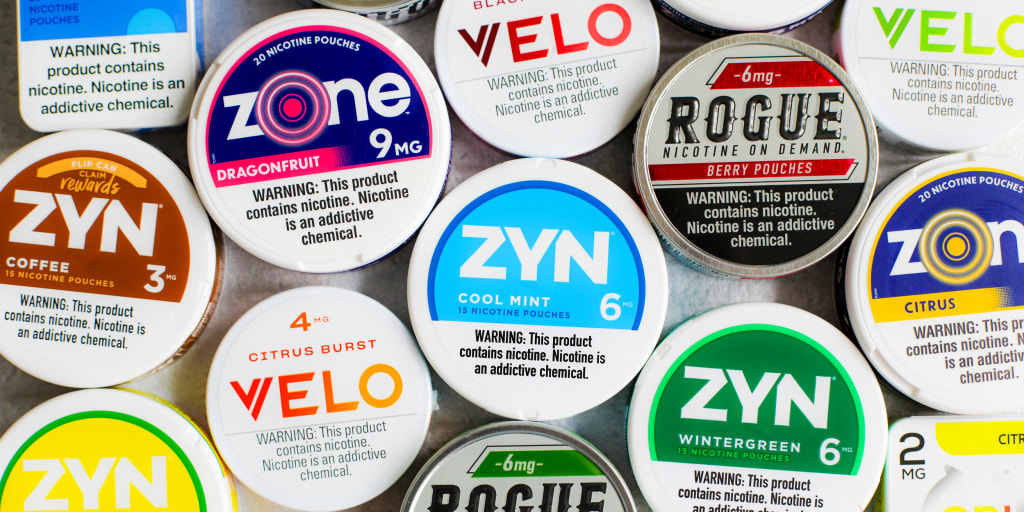
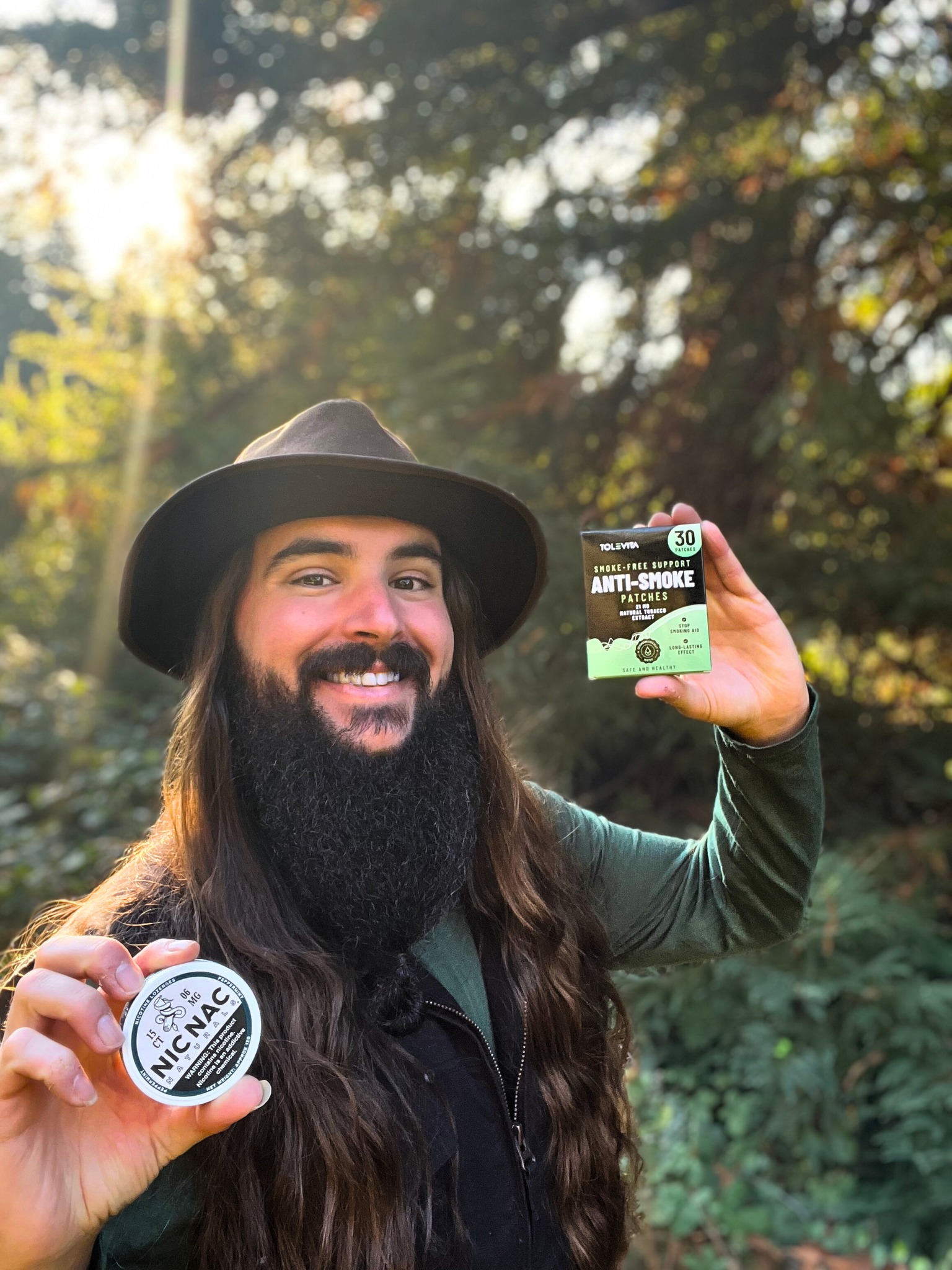
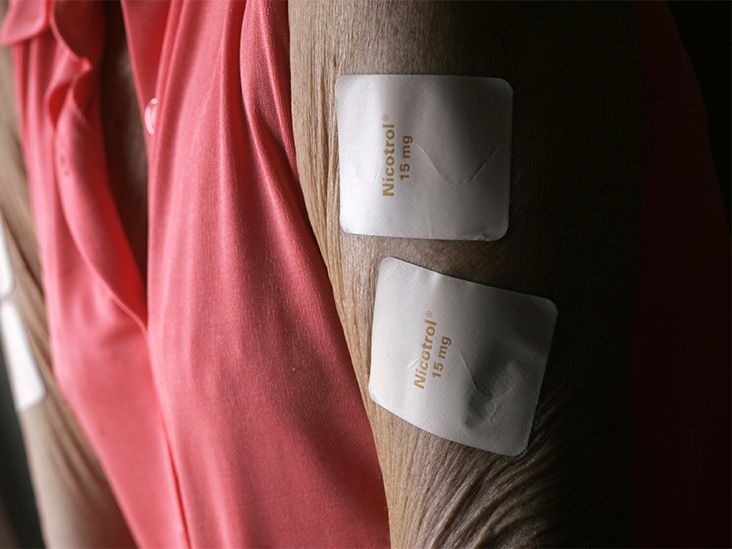
In fact, studies show that the vast majority of people addicted to vaping became addicted in their teenage years.[9] The chemicals in vapes can actually alter brain development in ways that create powerful dependencies
But in fact they dont
Is this a known issue
Steatorrhea developed in 12, 13, and 13 patients at the third, fifth, and 10th year in the smoking patients after the onset of CP, the cumulative rates of which were 21.8% (95% CI: 16.027.6%), 23.6% (95% CI: 17.430.0%), and 23.6% (95% CI: 17.430.0%), and in 9, 10, and 12 patients in the drinking patients, the cumulative rates of which were 11.3% (95% CI: 7.814.7%), 12.5% (95% CI: 8.816.2%), and 15.0% (95% CI: 10.819.2%), while in 138, 149, and 189 patients in the controls, the cumulative rates were 11.6% (95% CI: 10.612.6%), 12.5% (95% CI: 11.613.5%), and 15.9% (95% CI: 14.517.3%), respectively
Int J Environ Res Public Health 12:1428514300 Zheng L, Kuo C, Fadrowski J et al (2014) Arsenic and chronic kidney disease: a systematic review
We know currently more about the universe than the human brain, but it is not for lack of trying: most people just happen to object to getting their brain probed at while they're still alive (and even when they're dead)